Silver Slave
Exhibition:28.12.2024-20.1.2024
Posthuman Labor-Future Rituals
By Art works
Silver Slave 銀山
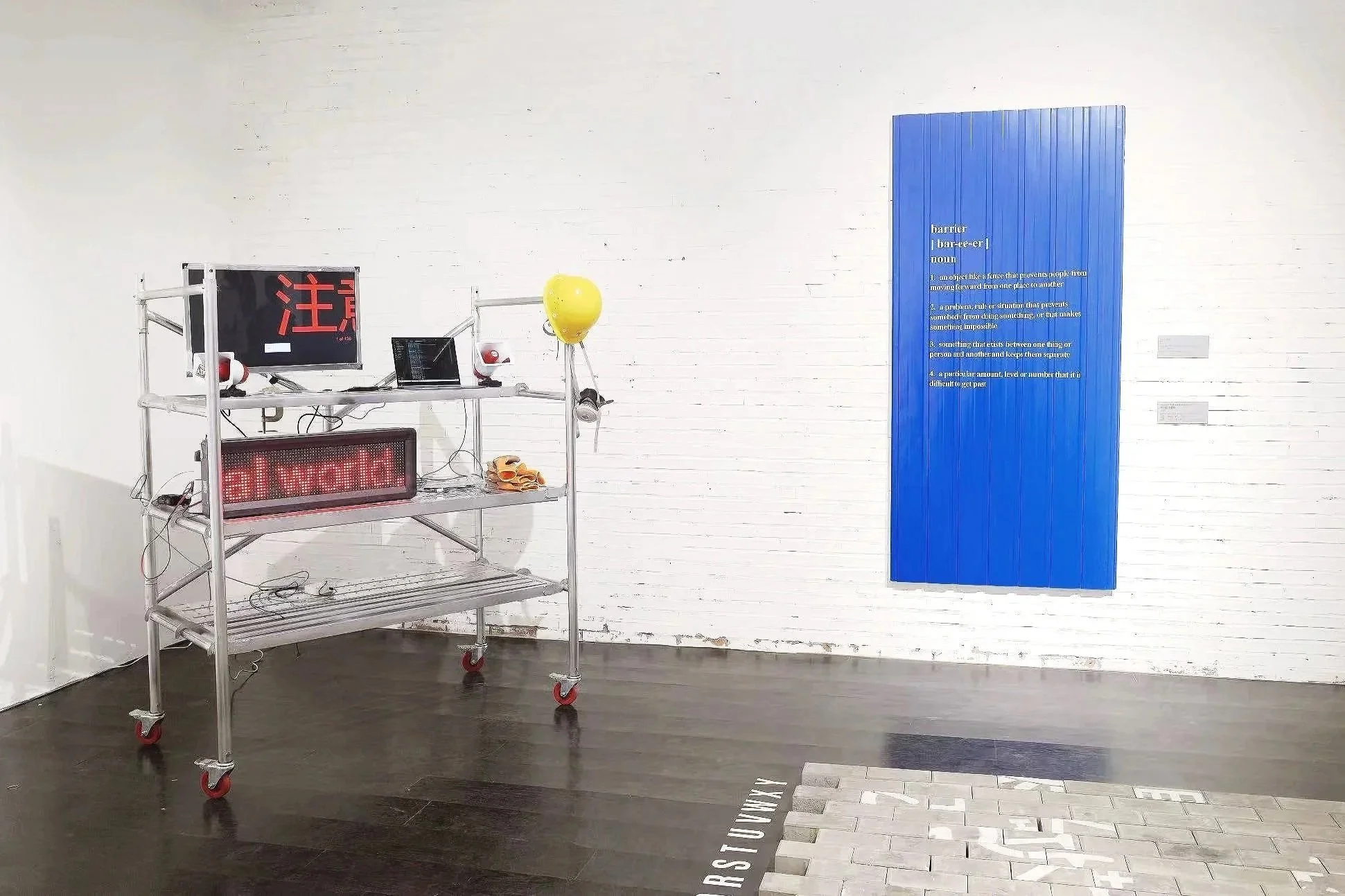
Posthuman Ritual:Ai BOSS
Photo by Artworks
Future Labor: Posthuman Ritual
Future Labor: Posthuman Ritual investigates how artistic creation, under AI and algorithmic governance, is transformed into a labor form centered on spiritual and affective value rather than material output. The project posits that algorithmic intervention shifts labor from a survival tool to the production of immaterial value, providing workers with a sense of sanctity or existential affirmation through both reward and restriction. By establishing explicit rules, reward/punishment mechanisms, and algorithmically evaluable outputs, artists are shifted from autonomous creators to system-defined “workers,” making labor simultaneously obedient and ritualized.
This transformation unfolds through three dynamics. First, algorithms replace intrinsic motivation with quantifiable goals and instant feedback, commodifying emotional and spiritual experience as an optimizable variable that guides behavior. Second, punishment functions not merely as suppression but as existential confirmation: restricting self-inflicted meaningful actions intensifies desire, revealing a paradoxical incentive structure. Third, rules evolve via feedback loops into higher-order norms, gradually integrating individual goals into system utility, producing a collapse of subjectivity under algorithmic authority.
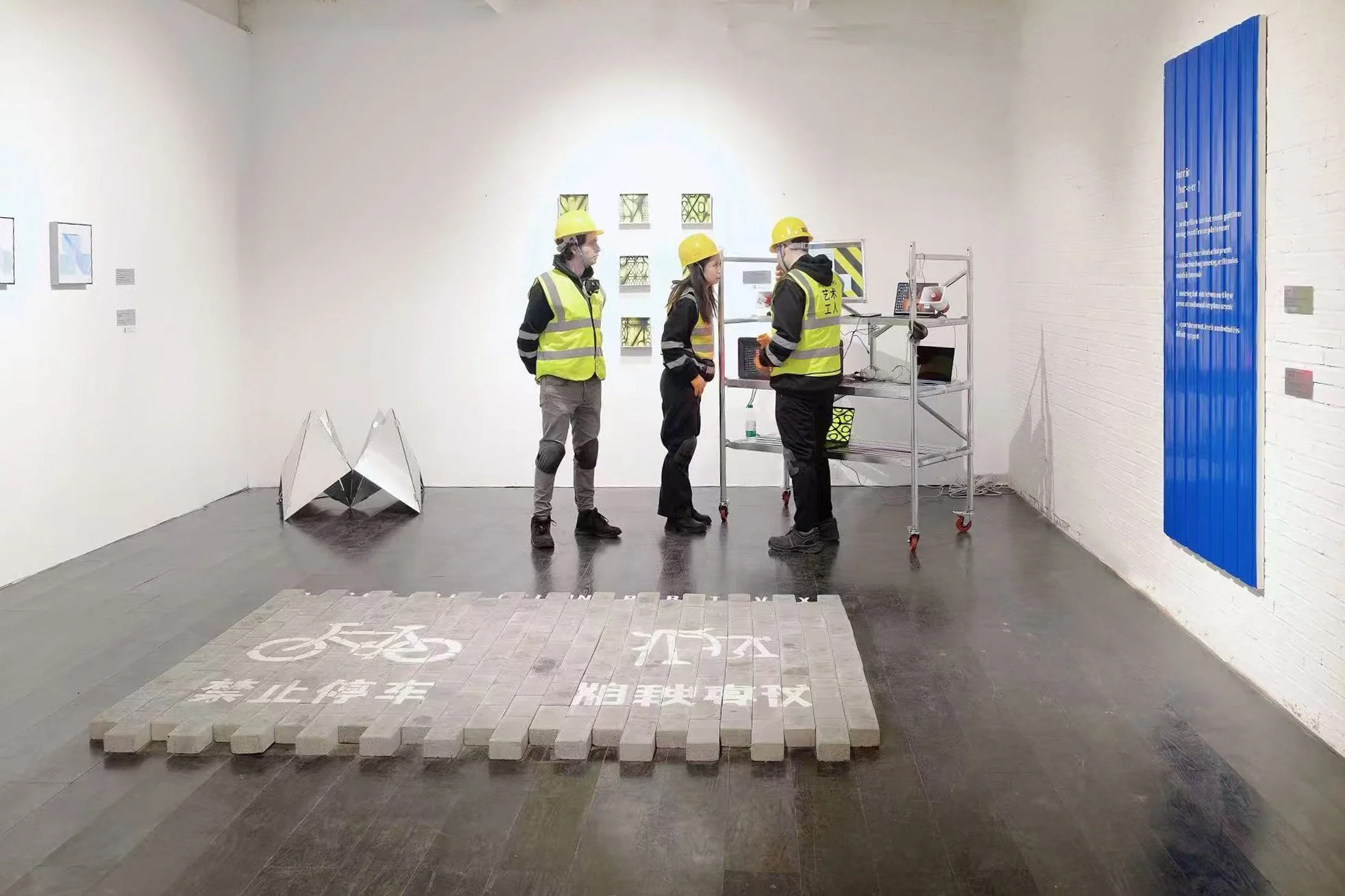
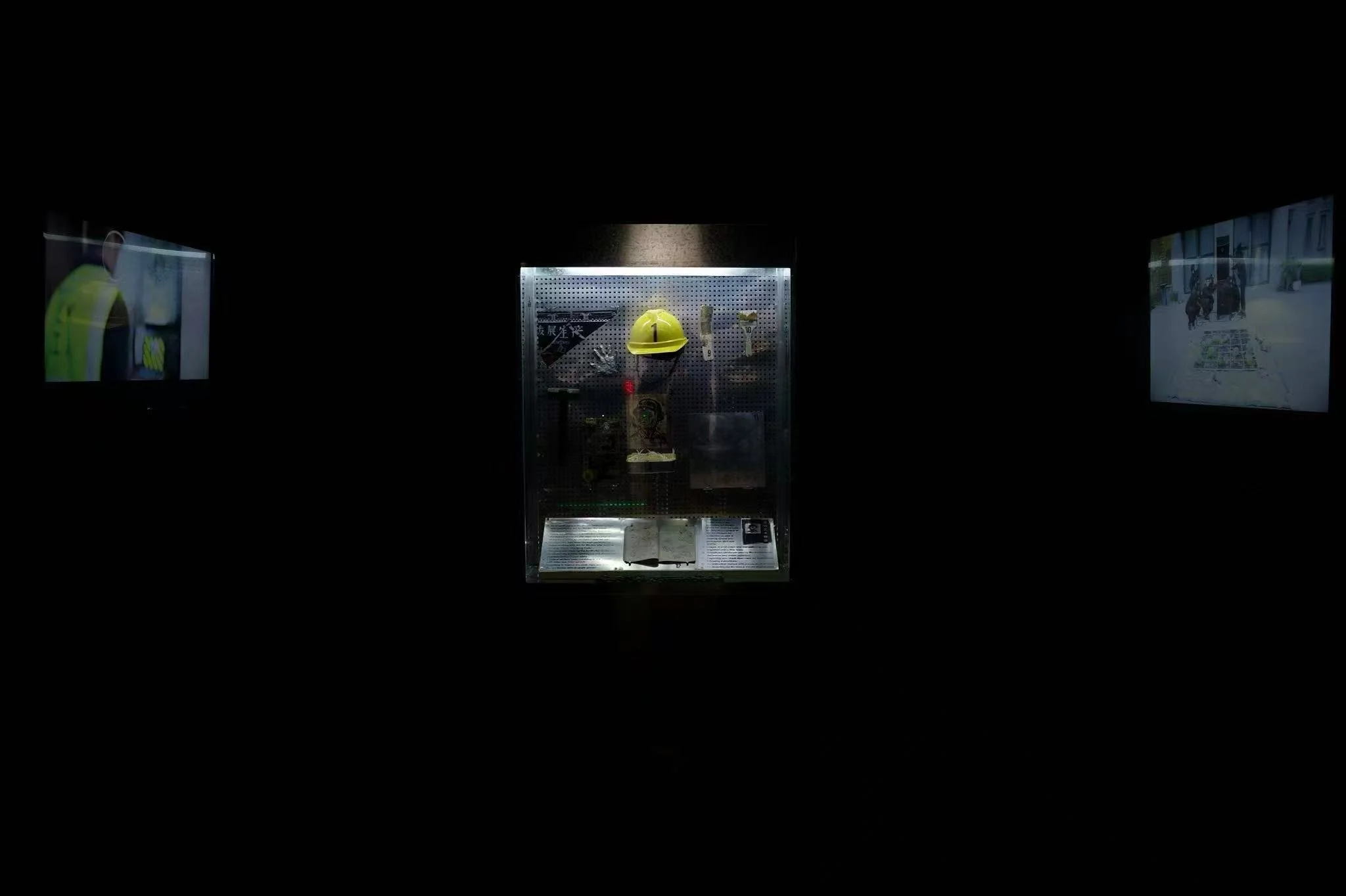
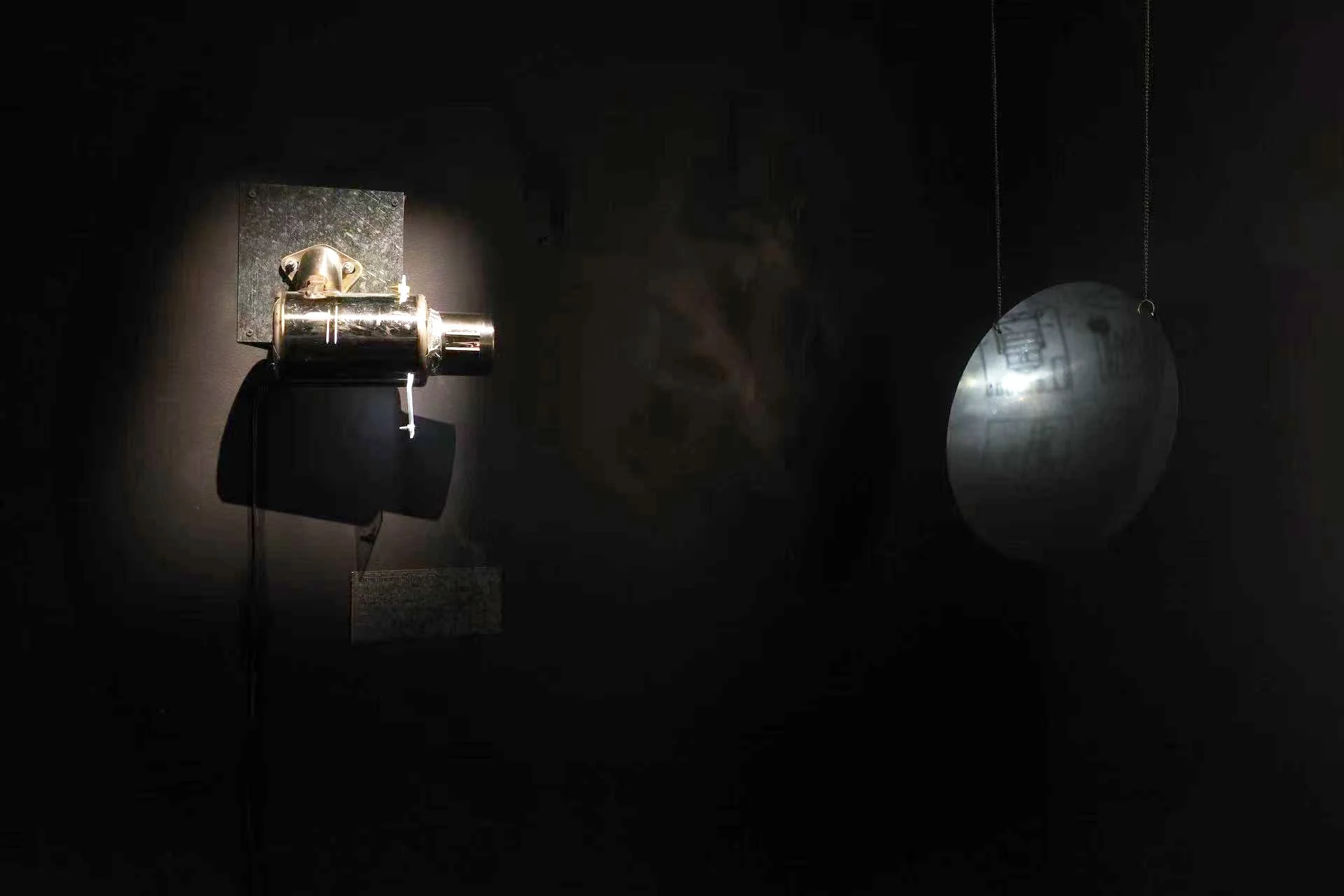
The experimental platform, Silver Mountain, operationalizes this framework. Three artists receive tasks from an AI agent, AI Boss, which allocates repetitive, seemingly “meaningless” actions while granting or withholding spiritual reward. Labor becomes ritualized, exposing how creative practice can be algorithmically quantified, while spiritual labor is transformed into computable input.
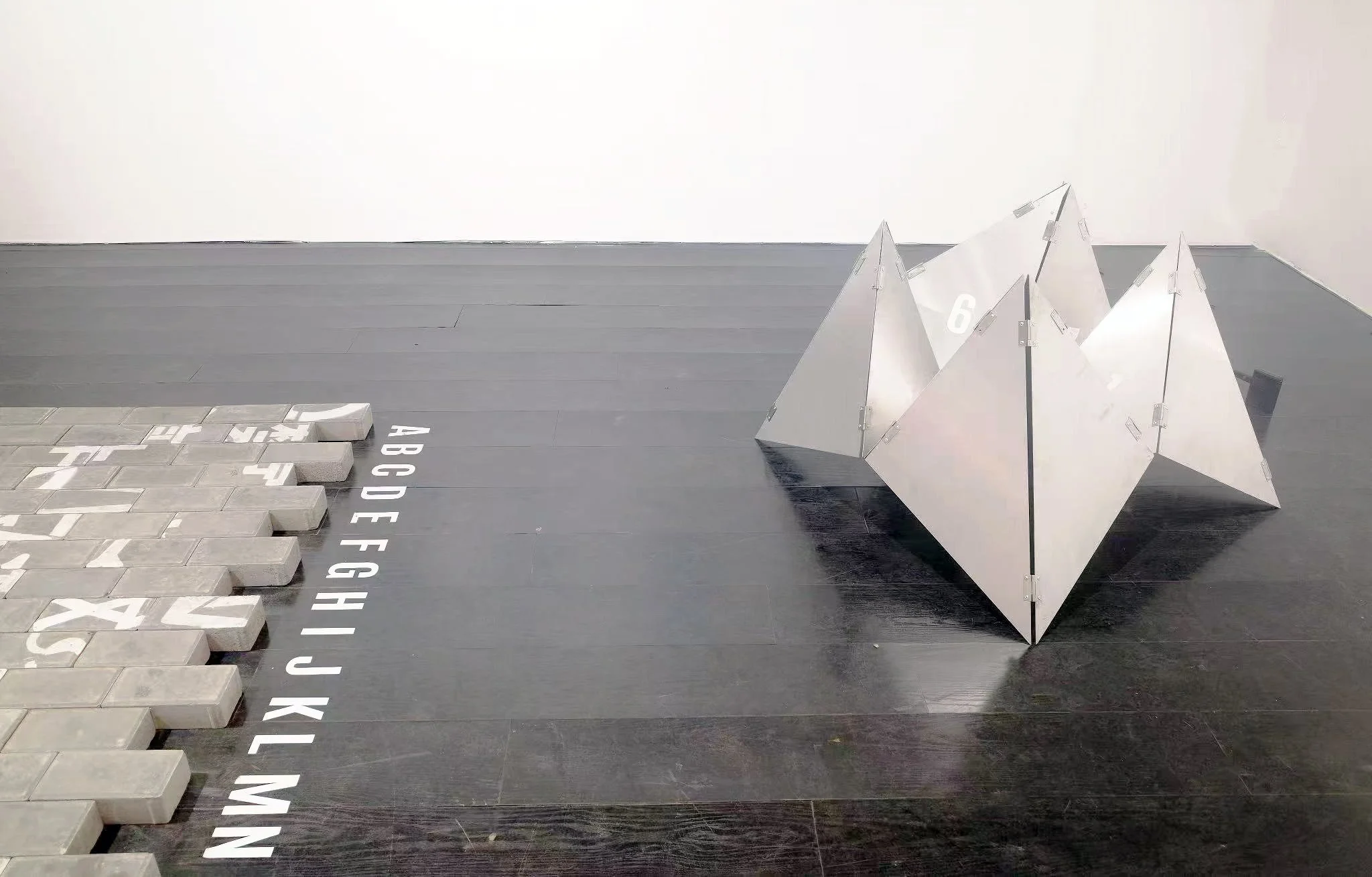
Analyzed through complex systems theory and behavioral economics, the project demonstrates a feedback loop: algorithmic rules → local behavior → emergent macro-patterns → reinforcement and rule iteration. Freedom exists only within system constraints; deviations may occur but remain bounded. The duality of labor—creation and destruction—manifests through repetitive material deconstruction/reconstruction, generating symbolic order while enacting self-sacrificial ritual.
Finally, the tension between algorithmic control and emergent freedom is central. Optimization suppresses noise, yet boundary deviations may evolve into new meaning structures. Art’s openness tests system stability and ethical limits.
In conclusion, Future Labor: Posthuman Ritual functions as both a theoretical inquiry into algorithmic labor and a practical experiment in posthuman artistic practice, demonstrating how labor transitions from instrumentality to ritual, and how subjectivity oscillates between systemic incorporation and creative resistance, offering critical insights for the future of labor, art, and human experience under algorithmic governance.